
In 2026, UK warehouses face rising demands for space efficiency and safety. Good racking boosts storage, cuts costs, and improves workflow. This guide helps you pick and install the right system. It builds on our 2026 warehousing trends article (https://2hssl.com/news/pioneering-the-future-warehousing-dynamics-in-2026/), focusing on practical steps for racking and conveyor setups.
Key Types of Warehouse Racking
UK businesses use various racking types based on goods, space, and needs.
Here are common options:
Selective Pallet Racking
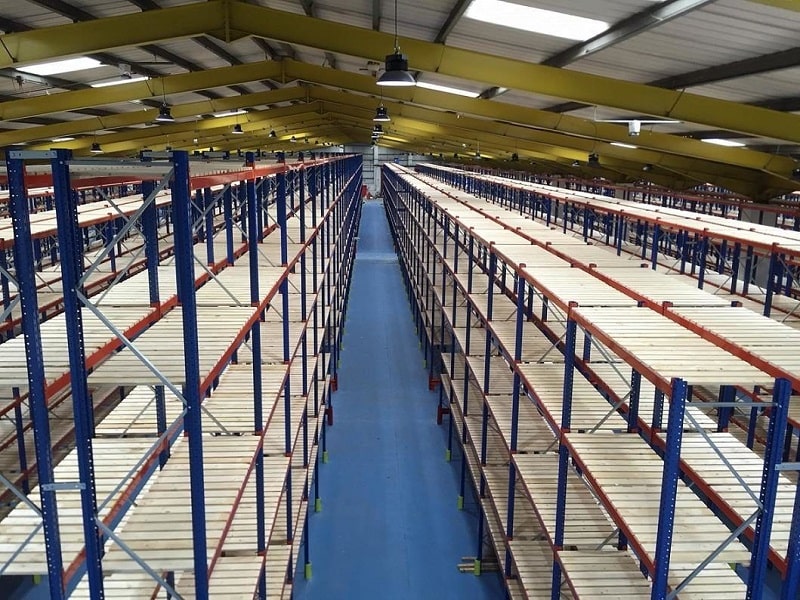
This is the most popular type. It allows direct access to each pallet. Ideal for diverse stock with high turnover.
- Suits standard UK pallets (1200x1000mm).
- Maximises vertical space.
- Works with forklifts for easy picking.
Drive-In Racking
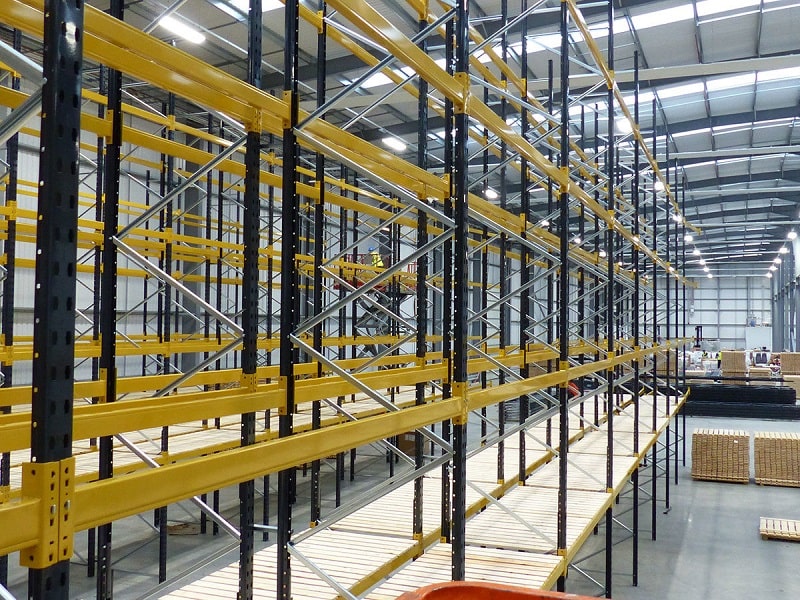
Great for bulk storage. Trucks drive into lanes to load pallets deep.
- High density for similar items.
- FIFO (First In, First Out) flow.
- Saves space in cold stores or bulk warehouses.
Push-Back Racking
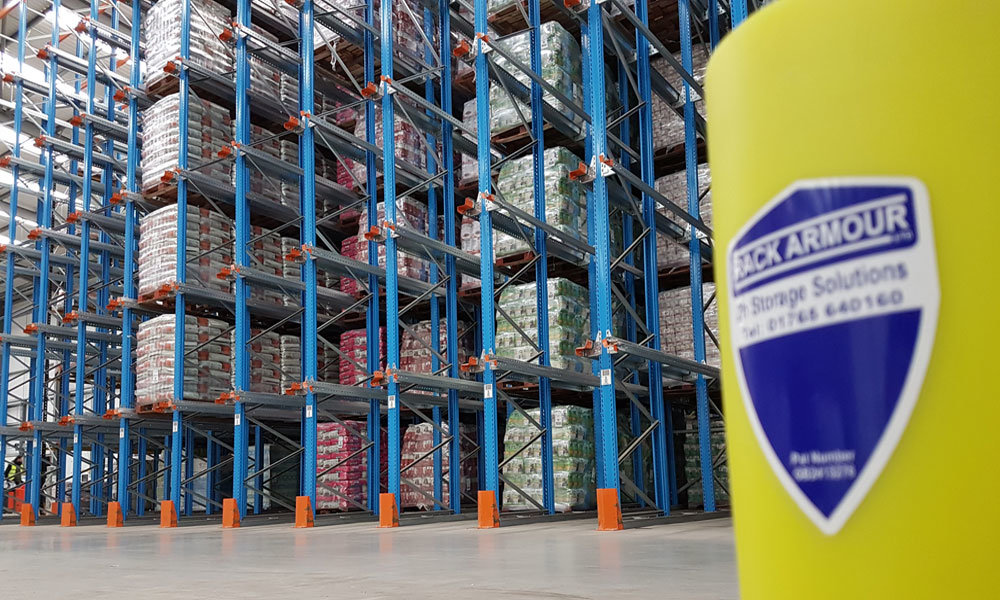
Uses carts on inclined rails. Pallets push back when loading.
- LIFO (Last In, First Out) system.
- Stores up to 6 pallets deep.
- Good for medium turnover goods.

Cantilever Racking
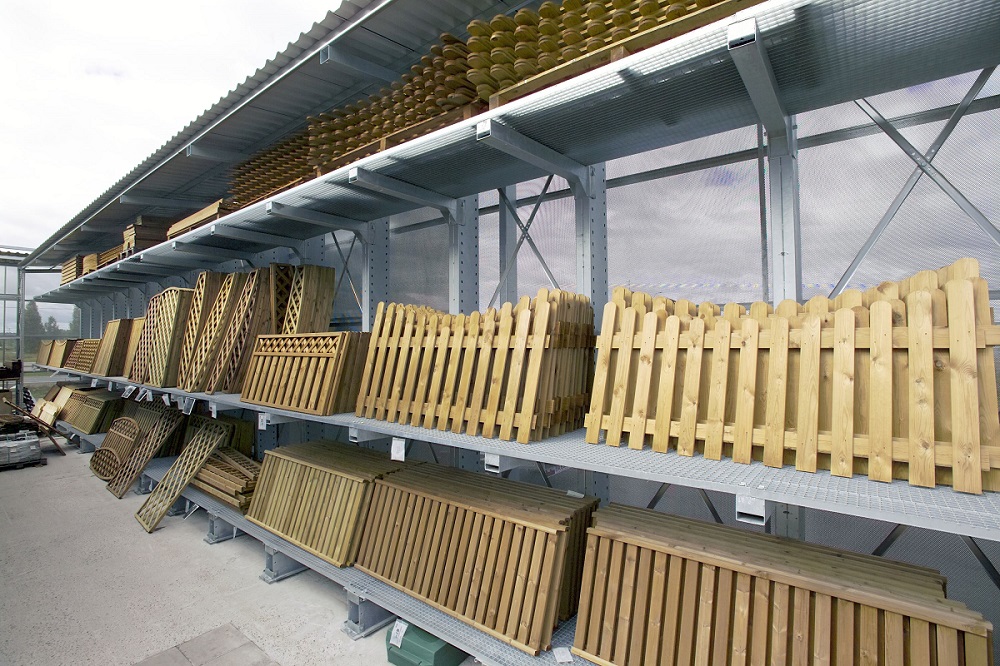
Designed for long or awkward items like timber or pipes.
- Arms extend from uprights.
- No front posts for easy access.
- Adjustable for varying lengths
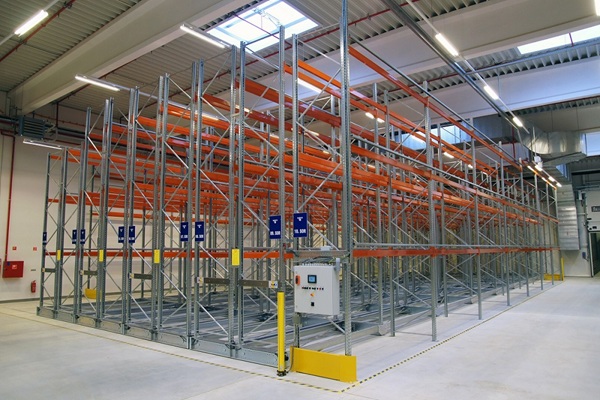
Mobile Racking
Bases move on rails to open aisles only when needed.
- Saves up to 50% floor space.
- Secure for valuable goods.
- Ideal for small UK warehouses.
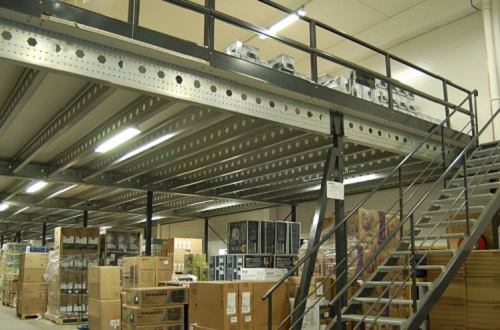
Mezzanine Flooring
Adds extra levels above the floor.
- Doubles space without building extensions.
- Combines with racking below.
- Suits picking or office use
How to Choose the Right Racking System
Pick based on your warehouse needs.
Consider these factors:
- Goods Type: Weight, size, and shape matter. Heavy items need strong racking. brysdales.co.uk
- Space Available: Measure height, width, and floor area. Use vertical space well.
- Stock Rotation: High turnover? Choose selective. Bulk storage? Go for drive-in.
- Forklifts and Equipment: Ensure compatibility with your trucks or conveyors.
- Budget and ROI: Factor in long-term savings from efficiency.
- Safety Rules: Follow UK HSE and SEMA standards.
Get expert advice. A site survey helps tailor the system.
Installation Tips: Step-by-Step Guide
Install racking safely and correctly. Use trained teams like SEIRS-registered installers.
Follow these steps:
- Plan the Layout: Mark positions. Check floor level.
- Prepare the Site: Clear area. Fix uneven floors with shims.
- Assemble Frames: Build uprights and beams. Level to SEMA tolerances.
- Secure to Floor: Use bolts. Follow EN 15512 or SEMA codes.
- Add Accessories: Install guards, signs, and load notices.
- Test and Inspect: Check stability. Get a SEMA inspection.
Avoid common mistakes: Overloading, poor levelling, or ignoring pallet clearances (e.g., 75mm side gaps).
Cost Breakdown for UK Racking in 2026
Costs vary by type and size.
Expect these ranges:
| Racking Type | Cost per Pallet Position (£) | Installation Add-On (£) |
|---|---|---|
| Selective | 50-200 | 800-4,000 |
| Drive-In | 100-300 | 1,000-5,000 |
| Push-Back | 150-400 | 1,500-6,000 |
| Cantilever | 200-500 | 1,000-4,000 |
| Mobile | 300-600 | 2,000-8,000 |
| Mezzanine | 100-300 (per sqm) | 5,000-20,000 |
Add 10-20% for shipping, permits, and accessories. ROI comes from space savings – up to 50% efficiency gains.
Case Study: A UK E-Commerce Success
A mid-sized UK distributor faced space issues in 2025. They chose mobile racking with conveyor integration. Installation took two weeks. Results: 40% more storage, faster picking, and £50,000 annual savings. SEMA compliance ensured safety. Your company can achieve similar wins – contact us for a quote.
Final Thoughts
Right racking transforms your warehouse in 2026. Focus on needs, safety, and costs. Ready to upgrade? Book a free consultation with our UK experts. We’ll handle design, install, and maintenance for peak performance.
Comments are closed